carsrequest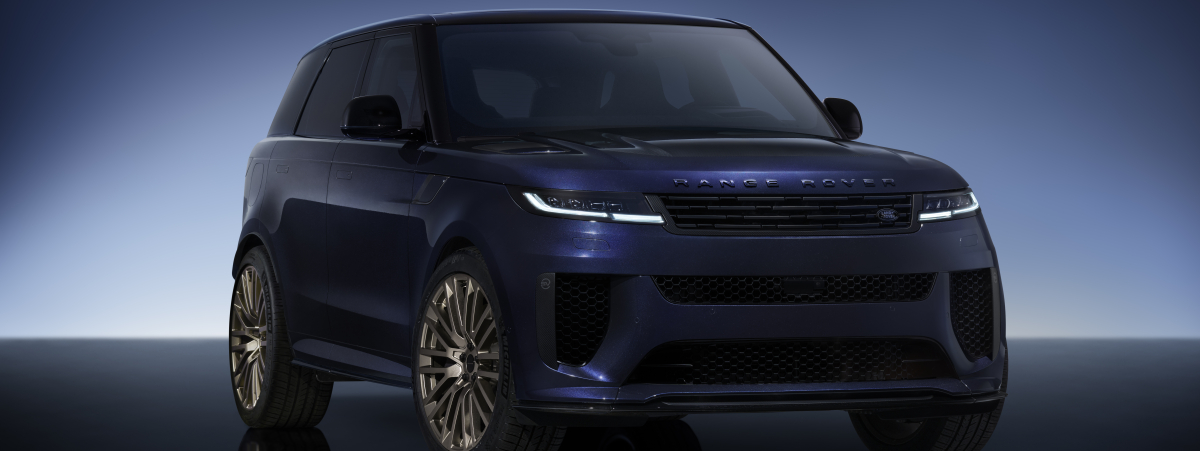
The Range Rover Deep Dive: Sport, Vogue, HSE, LWB & SWB — A Legacy of Power, Prestige, and Purpose
Introduction: The SUV That Defined Luxury
When you think of a car that represents power, elegance, and unshakable authority, one name echoes across generations — Range Rover. Since its inception in 1970, this iconic British SUV has evolved from a rugged off-road utility vehicle into the benchmark of global automotive luxury. It’s the car that carries monarchs, CEOs, adventurers, and innovators — and it does so with a sense of calm dignity unmatched in the industry.
This is the story of how the Range Rover became the symbol of ultimate luxury, and how its trims — Sport, HSE, Vogue, SWB, and LWB — represent distinct flavors of the same masterpiece.
A Brief History: From Off-Road Pioneer to Status Symbol
The first Range Rover Classic was introduced in 1970 by British Leyland. It was utilitarian in spirit but revolutionary in design. Combining a ladder-frame chassis, coil-spring suspension, and a permanent 4WD system, it was the first SUV that could cross mountains on Friday and park at the opera on Saturday.
By the late 1980s, as the global luxury market boomed, Range Rover evolved from a farmer’s workhorse to a luxury lifestyle statement. In the 1990s, the car became synonymous with executive mobility — royalty, presidents, and celebrities all began to favor the Range Rover over traditional sedans.
Generational Journey: The Evolution of Range Rover
| Generation | Years | Key Highlights |
|---|---|---|
| Classic (1st Gen) | 1970–1996 | Two-door to four-door transition, V8 engine, coil springs, full-time 4WD. |
| P38A (2nd Gen) | 1994–2002 | Electronic air suspension, BMW influence, luxury cabin. |
| L322 (3rd Gen) | 2002–2012 | Monocoque chassis, navigation systems, high-end refinement. |
| L405 (4th Gen) | 2012–2021 | All-aluminium body, reduced weight, advanced comfort and safety. |
| L460 (5th Gen) | 2022–Present | MLA-Flex platform, hybrid options, EV-ready, minimalistic luxury. |
Design and Engineering Philosophy
Every Range Rover generation has married British craftsmanship with cutting-edge engineering.
-
1970s–1990s: Boxy, functional shapes; luxury was in simplicity.
-
2000s: Chrome accents, more refined lines, and handcrafted interiors.
-
2010s–2020s: Seamless integration of technology and minimalism — flush door handles, floating roof, sleek LED profiles.
Underneath the artistry lies a commitment to engineering precision: aluminium architecture, adaptive air suspension, and advanced 4WD systems that define the brand’s balance of grace and grit.
Trim Breakdown: Understanding the Range Rover Family
1. Range Rover Sport — Performance with Prestige
Launched in 2005, the Range Rover Sport was built for those who wanted agility without losing luxury.
It’s the athlete of the lineup — lighter, faster, and more responsive.
Engines:
3.0L diesel, 5.0L supercharged V8, and PHEV variants.
Highlights:
-
Dynamic Response and Torque Vectoring for handling.
-
Aggressive design and low-profile stance.
-
0–100 km/h in as little as 4.5 seconds (SVR trim).
-
Best for drivers who crave performance with luxury.
2. Range Rover HSE — Balanced Sophistication
The HSE (High Specification Equipment) sits above base trims, striking the perfect middle ground between performance and comfort.
Highlights:
-
Plush interiors with Windsor leather and premium wood finishes.
-
Adaptive dynamics, panoramic sunroof, and 360° cameras.
-
Available with diesel, petrol, and mild-hybrid options.
The HSE is for those who desire luxury without the ostentation of upper trims but with every essential indulgence included.
3. Range Rover Vogue — The Royal Standard
Often considered the flagship before the Autobiography, the Vogue defines understated opulence.
Highlights:
-
Semi-aniline leather, configurable ambient lighting.
-
Meridian 3D surround system.
-
Executive rear seating with massage and recline.
-
Enhanced ride comfort via Adaptive Air Suspension.
Ideal for those who want to be driven in comfort and prestige.
4. Range Rover LWB (Long Wheelbase) — The Executive Lounge
The LWB (Long Wheelbase) variant stretches the Range Rover’s already generous proportions, offering rear-seat space that rivals limousines.
Highlights:
-
Extended legroom and reclining rear seats.
-
Optional 4-seat “Executive Class” configuration.
-
Full-length panoramic glass roof.
-
Quietest cabin ever produced by Land Rover.
Best for CEOs, diplomats, and luxury connoisseurs who prioritize comfort and exclusivity.
5. Range Rover SWB (Short Wheelbase) — The Driver’s Choice
The SWB (Standard Wheelbase) offers a tighter, more athletic drive.
Its compact stance makes it easier to maneuver in city environments while retaining all luxury amenities.
Highlights:
-
Balanced handling with 4-wheel steering in newer generations.
-
Perfect for owners who prefer to drive themselves.
Performance Evolution: Power, Efficiency, and Refinement
From naturally aspirated V8s to turbocharged and hybrid engines, Range Rover’s evolution has been defined by power and progression:
| Engine Type | Power Output | Technology |
|---|---|---|
| Classic 3.5L V8 | 135 hp | Carbureted, simple mechanical design |
| 4.6L BMW V8 | 225 hp | Improved smoothness, reduced emissions |
| 5.0L Supercharged V8 | 510–575 hp | High-performance SVR versions |
| 3.0L Ingenium MHEV | 355–400 hp | Mild hybrid efficiency |
| 4.4L Twin-Turbo V8 | 523 hp | Sourced from BMW, silky yet powerful |
| PHEV | 434 hp | Plug-in hybrid combining electric range + turbo power |
Leadership and Vision: The People Behind the Milestones
Throughout its history, a few visionary leaders and engineers made decisions that transformed Range Rover from a capable 4×4 into a cultural icon:
Charles Spencer “Spen” King (1970s)
The original Range Rover’s creator. His vision was clear:
“A vehicle that can cross fields, climb mountains, and still be driven to the city in a suit.”
He laid the foundation for the luxury SUV genre.
John Hall (1990s)
Instrumental in the P38A development, he oversaw the shift toward electronic air suspension and luxury interiors.
Wolfgang Reitzle (BMW Era, 1994–2000)
Former BMW executive who insisted on bringing German precision to British craftsmanship — his tenure introduced the L322, redefining Range Rover refinement.
Gerry McGovern (Design Director, 2004–Present)
The man behind the modern aesthetic. His minimalist, sculpted designs and attention to proportion have elevated Range Rover into a design benchmark worldwide.
Ralf Speth and Thierry Bolloré (JLR CEOs, 2010s–2020s)
Speth’s leadership under Tata Motors transformed Range Rover into a global luxury brand, while Bolloré spearheaded the move toward electrification with the upcoming Range Rover EV.
Safety, Comfort, and Technology
Today’s Range Rovers come with:
-
Terrain Response 2 for multi-surface adaptability
-
Adaptive Cruise Control, Blind Spot Assist, and 3D Surround Cameras
-
Cabin Air Ionisation and Active Noise Cancellation
-
Rear Executive Seating, Massage Functions, and Heated Everything
It’s not just about comfort — it’s about wellbeing and control on every journey.
Quick Specification Table
| Model | Power (hp) | 0–100 km/h | Drivetrain | Key Feature |
|---|---|---|---|---|
| Sport SVR | 575 | 4.5s | 4WD | High-performance variant |
| HSE | 355 | 6.8s | 4WD | Balance of power & luxury |
| Vogue | 530 | 5.2s | 4WD | Flagship comfort & elegance |
| LWB | 530 | 5.5s | 4WD | Extended wheelbase luxury |
| SWB | 400 | 6.2s | 4WD | Compact, driver-focused |
Final Verdict: The Reign Continues
The Range Rover isn’t just an SUV; it’s a philosophy — a statement that luxury and performance can coexist without compromise. Whether you choose the Sport for its adrenaline, the Vogue for its serenity, or the LWB for its prestige, you are driving a heritage built over five decades of brilliance.
Few vehicles command such universal respect — and fewer still have evolved so gracefully.
Explore the Latest Range Rover Models on Sale:
👉 Browse Range Rovers on CarsForSale.co.ke
Sources:
-
Land Rover Official Media Centre
-
Top Gear UK
-
AutoCar Reviews
-
Car and Driver
-
CarsForSale.co.ke Research Desk