Menu
Menu

Wrangler

Showing all 10 results
Sort by

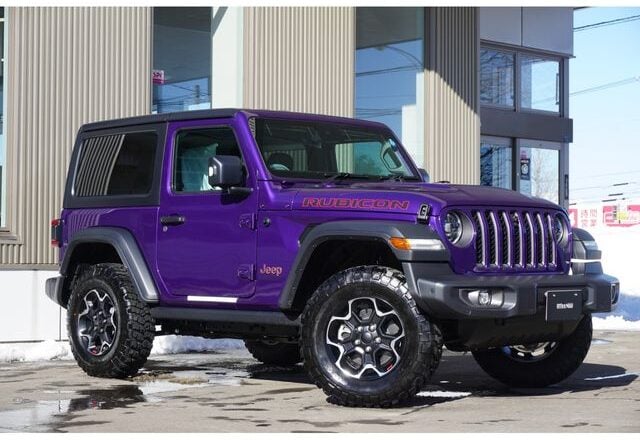
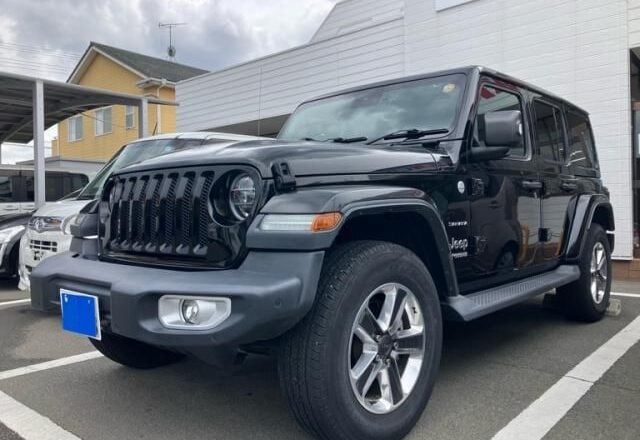
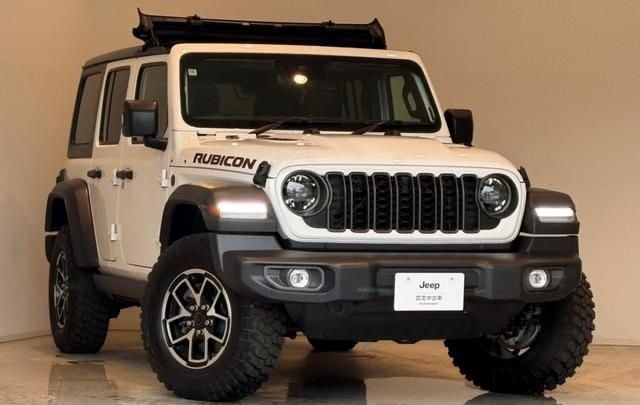
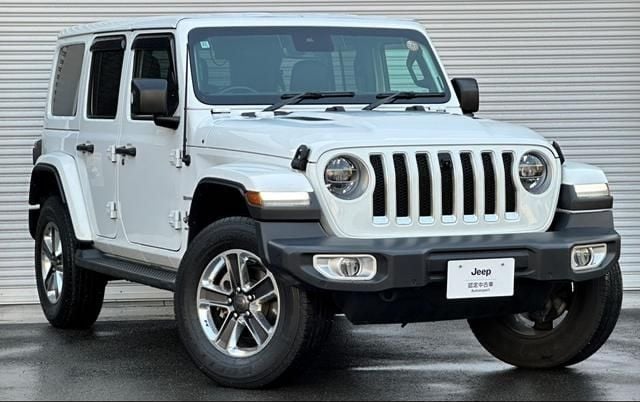
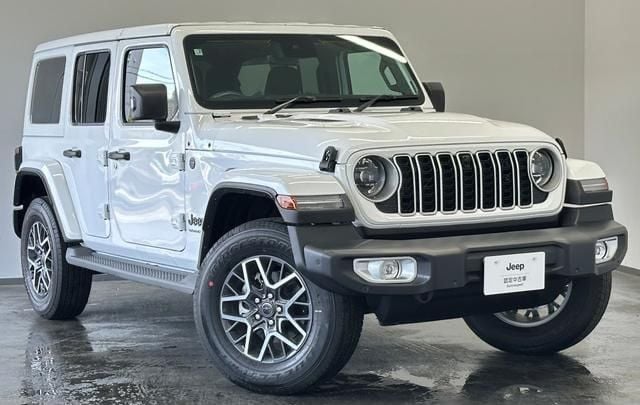
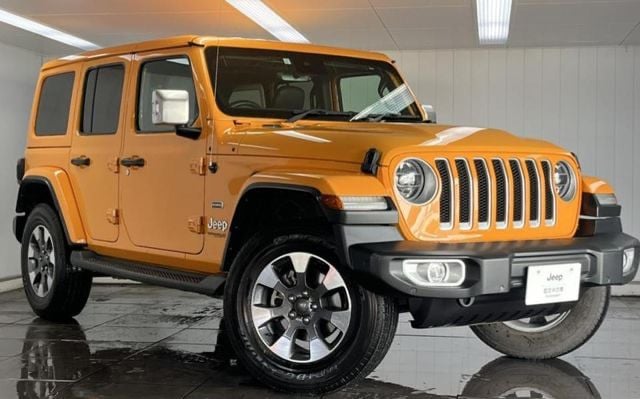
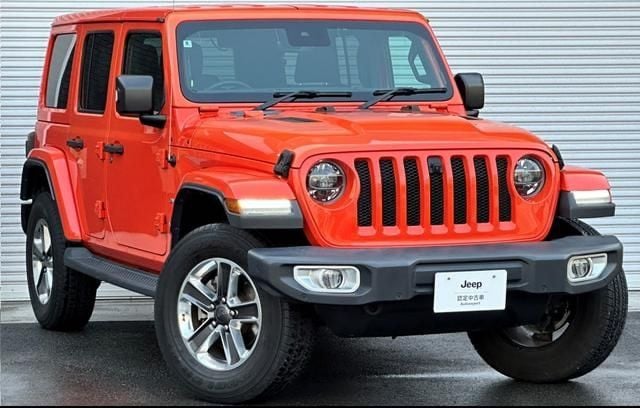
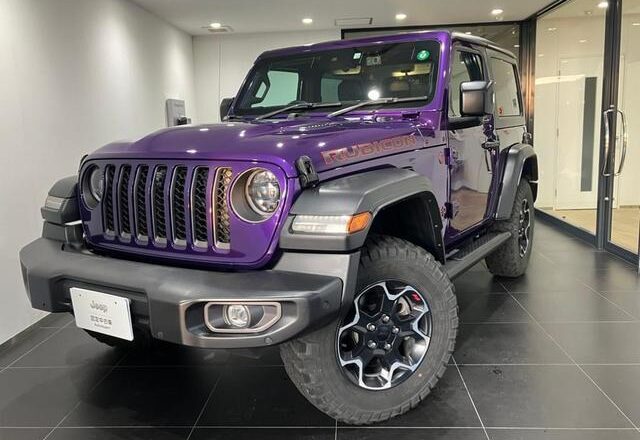
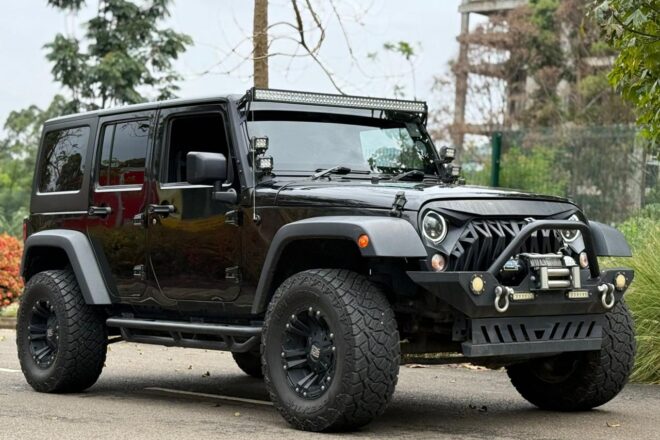
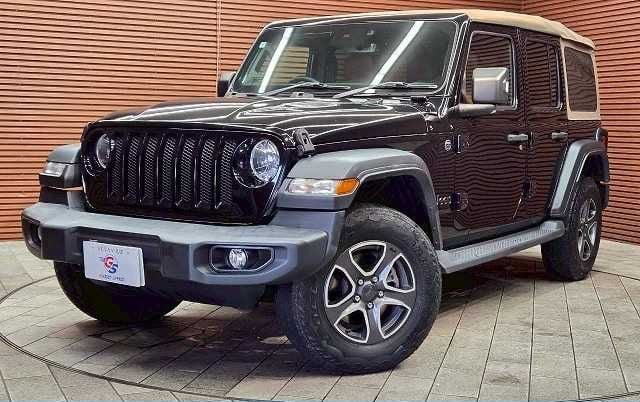
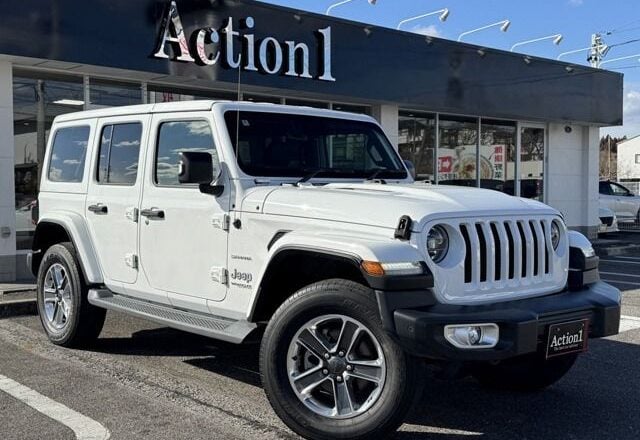
The Jeep Wrangler is a rugged, open‑top 4x4 SUV built for off‑road enthusiasts who want maximum freedom on the trail while still being able to drive to work, school, or the shop in town. It is the spiritual successor to the original WWII‑era Jeep, known for its removable doors, fold‑flat or removable roof, solid axles, and strong 4‑wheel‑drive systems.

Engine, performance and efficiency (global spec)

Most current Wranglers use either a 2.0‑litre turbo‑four or 3.6‑litre V6 petrol engine, with an 8‑speed automatic transmission and selectable 4x4:

  • 2.0‑litre turbo‑four: Roughly 270 hp and 400 Nm torque, giving strong low‑rpm pull ideal for crawling over rocks and steep inclines.

  • 3.6‑litre Pentastar V6: Around 285 hp and 350–360 Nm, more relaxed for highway use but still plenty capable off‑road.

Fuel consumption is not the Wrangler’s strong point: real‑world figures typically sit around 10–12 km/l, with official lab numbers often closer to 8–9 km/l under mixed conditions. Towing capacity can reach up to about 2,270 kg (5,000 lb) depending on engine and spec, making it useful for light trailers and boat use.

Handling, ride and off‑road capability

The Wrangler runs on rigid live axles and strong leaf‑or‑coil suspension, giving it very good wheel travel and articulation off‑road but a firm, bouncy ride on paved roads. This is intentional: it sacrifices comfort for extreme traction and obstacle‑clearing ability.

Key off‑road hardware on higher trims like the Rubicon includes:

  • Electronic locking differentials,

  • Heavy‑duty Dana 44 axles,

  • Rock‑Trac or Selec‑Trac 4x4 systems,

  • Up to 12° of approach angle, 37° departure, and over 200 mm of ground clearance.

This lets it tackle steep climbs, rocky trails, mud, and river crossings that would stop most normal SUVs.

Interior, practicality and tech

Inside, the Wrangler mixes utilitarian 4x4 toughness with modern tech:

  • Wash‑able rubber or rugged cloth floors,

  • Digital instrument cluster, touchscreen infotainment, Apple CarPlay/Android Auto,

  • 5‑seat layout with decent rear space in the four‑door (Unlimited) version,

  • Anchor points and easy‑to‑clean materials that suit safari‑style use, camping, and rough‑surface travel.

The removable roof and doors are a big part of the lifestyle appeal, though they do mean more noise and wind on the highway and more maintenance for seals and latches.

Price and market fit in Kenya

Globally, a base Jeep Wrangler starts around the mid‑$30,000s USD, with Rubicon and higher‑trim Unlimited models climbing into the $45,000–55,000 USD band before tax. In a Kenya‑market context, imported Wranglers (often from Japan, Dubai, or Europe) typically land in the 4‑million to 8‑million‑plus KSh range, with heavily spec’d Rubicon builds and low‑km imports sometimes reaching 8‑million‑plus KSh or higher.

The Jeep Wrangler suits:

  • Safari and adventure‑oriented buyers who want a go‑anywhere 4x4 for rough‑surface roads, trails, and off‑road trips.

  • City‑based enthusiasts who still want a lifestyle‑focused 4x4 with removable doors and roof that can double as a tough daily driver.

For buyers in Nairobi, Mombasa, and smaller towns, it is one of the few true trail‑rated SUVs that can be realistically used both on the road and off, though it does demand higher fuel spend and suspension maintenance compared with tamer SUVs and pickups.

Compare Listings

Compare (0)