Menu
Menu

X-Trail

Showing all 40 results
Sort by

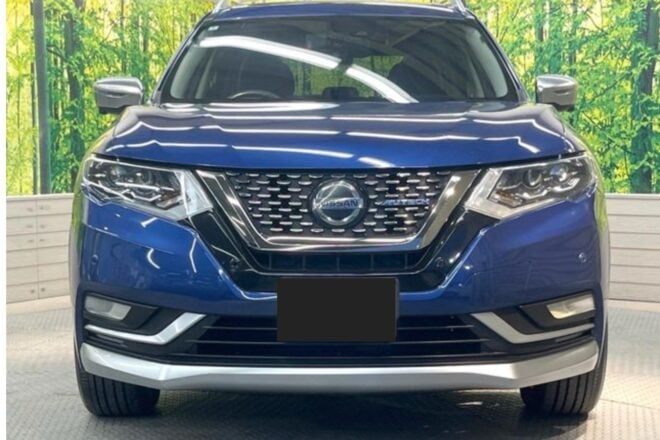
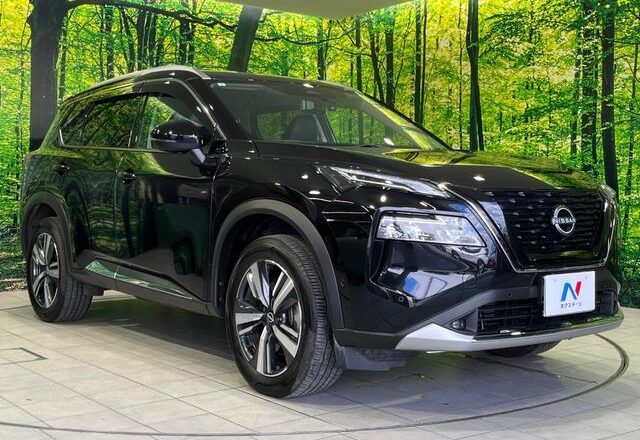
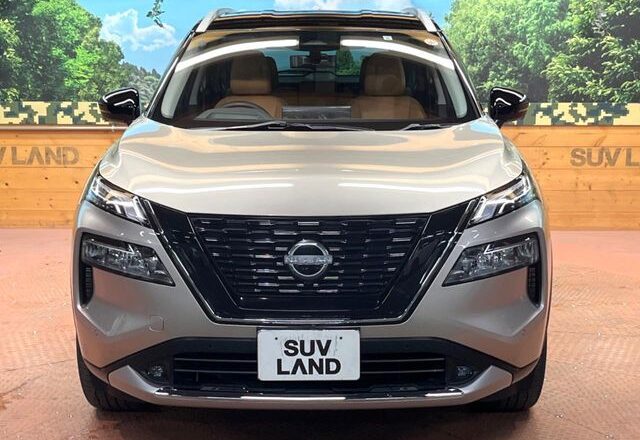
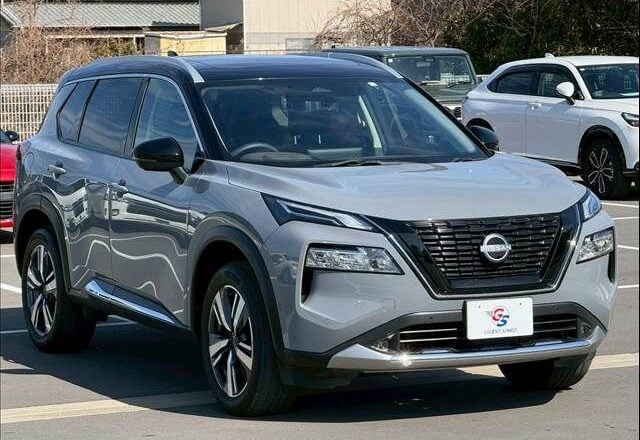
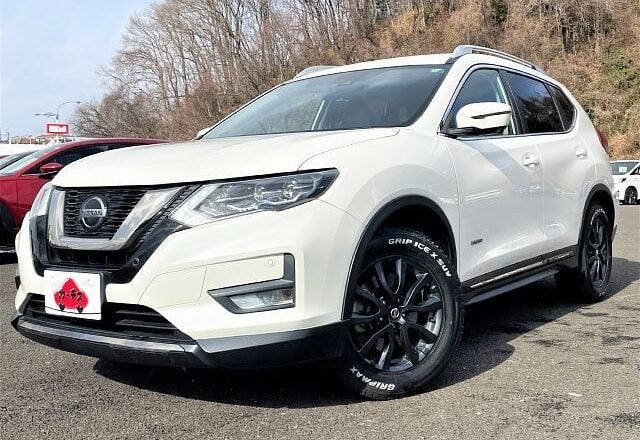
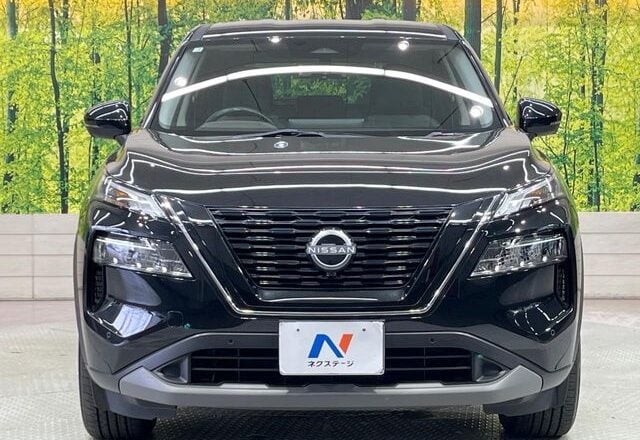
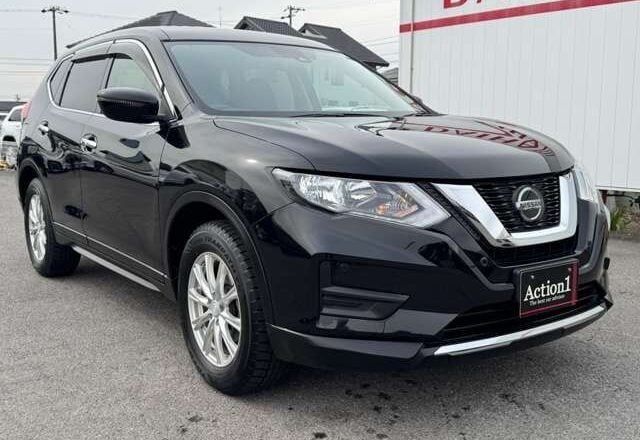
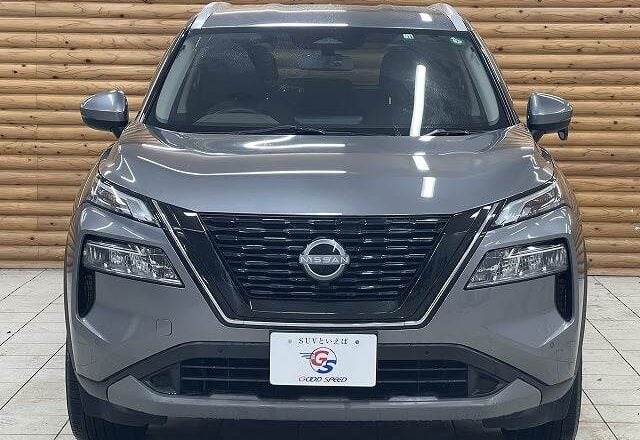
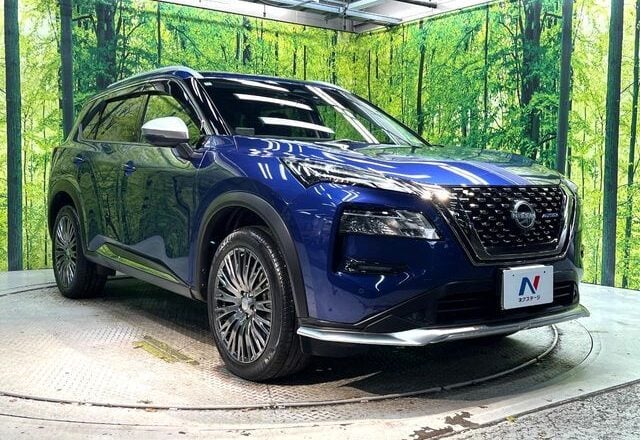
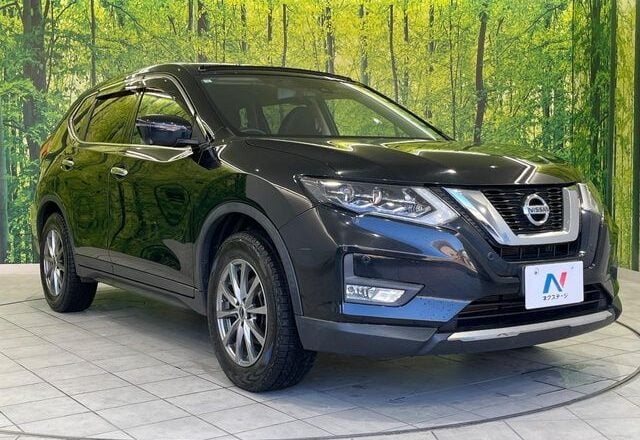
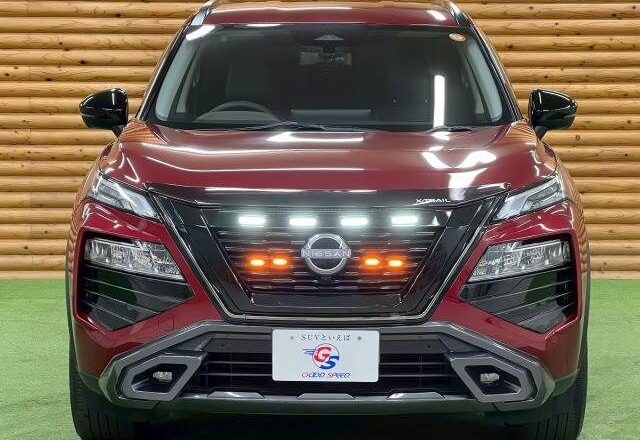
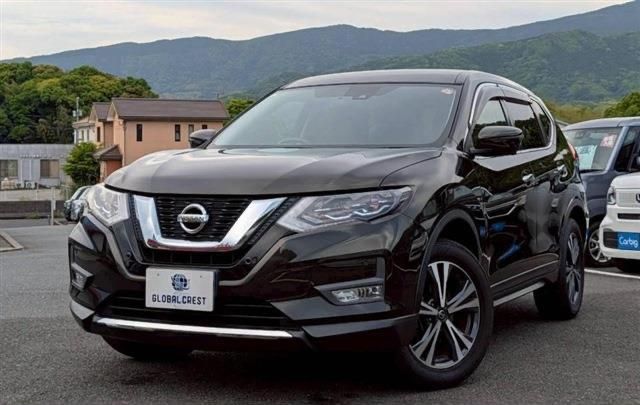
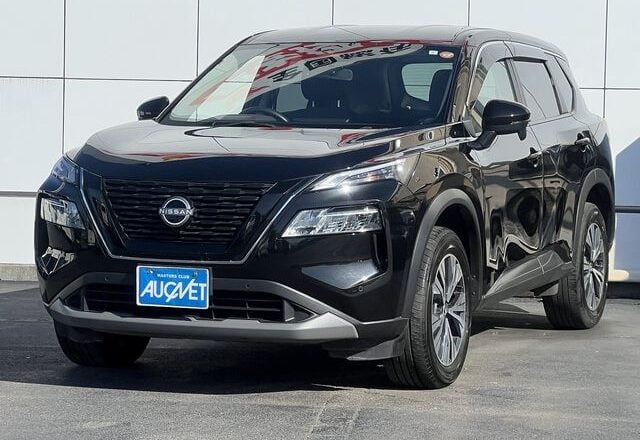
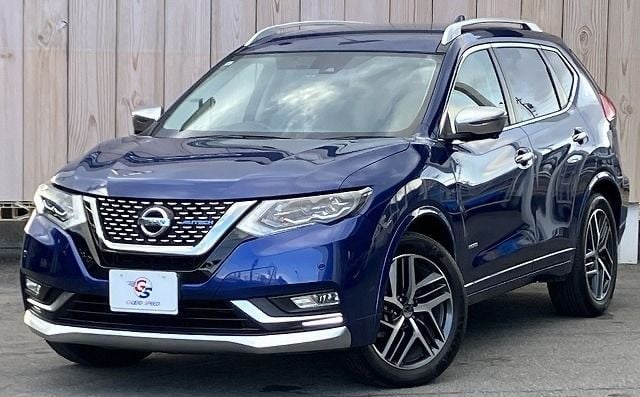
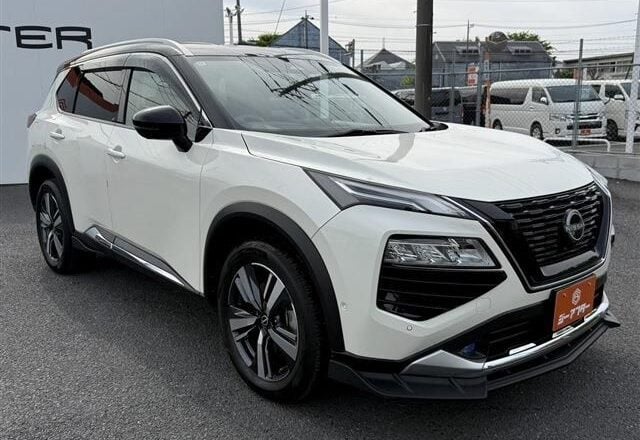
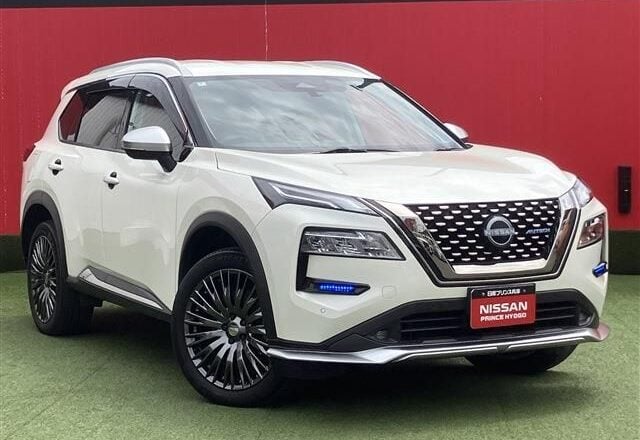
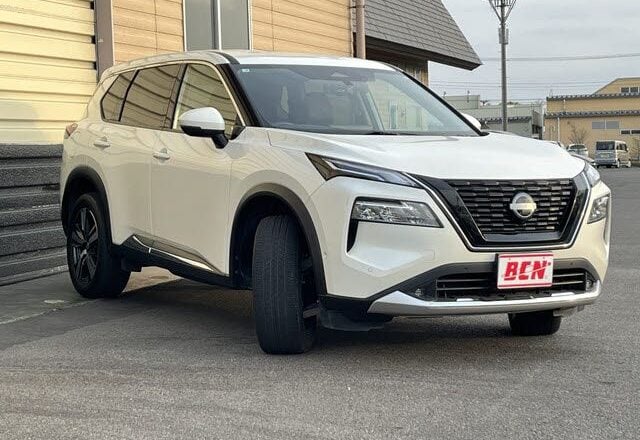
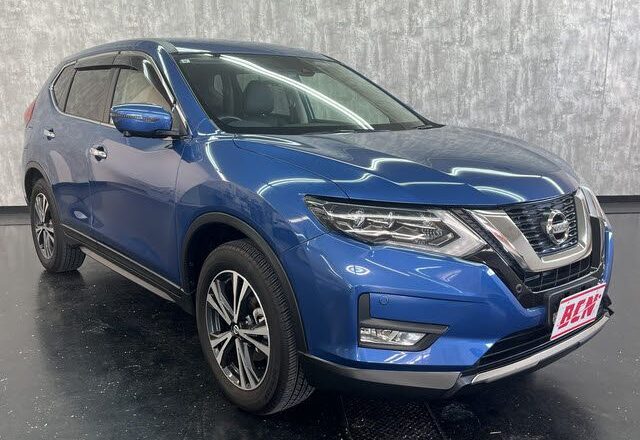
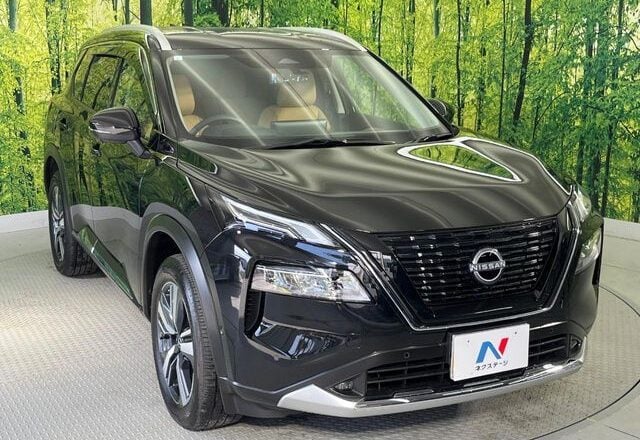
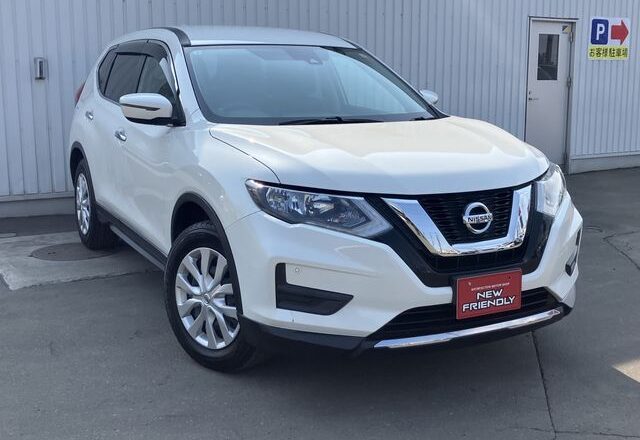
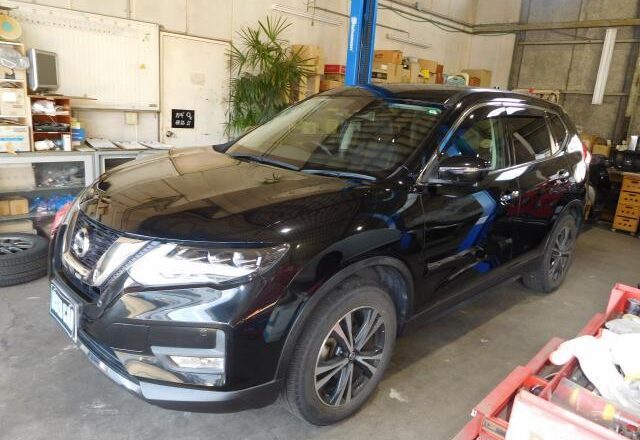
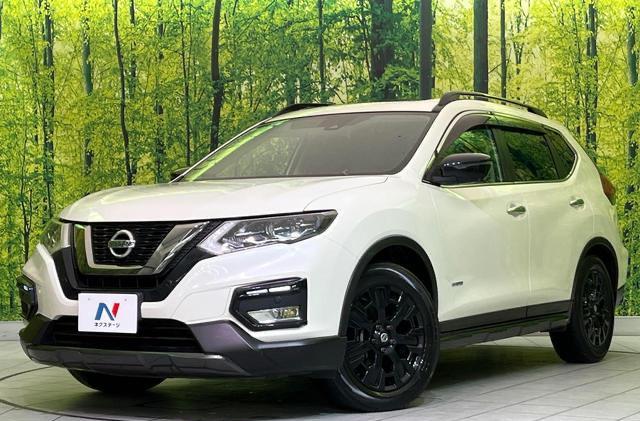
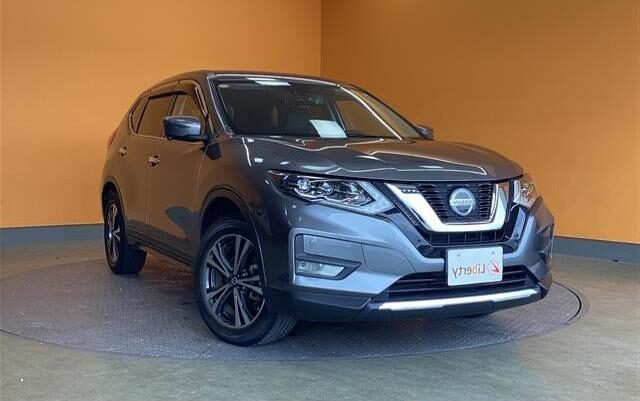
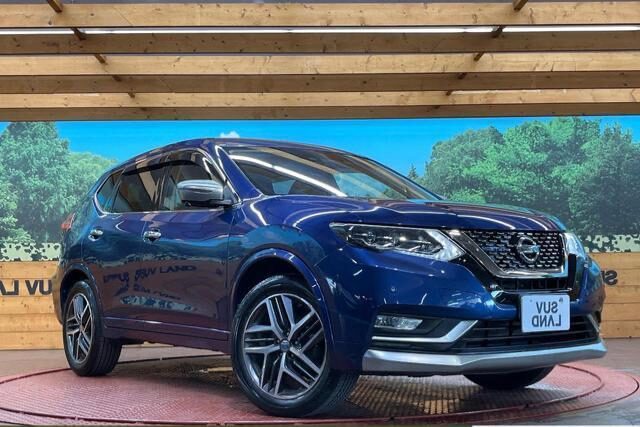
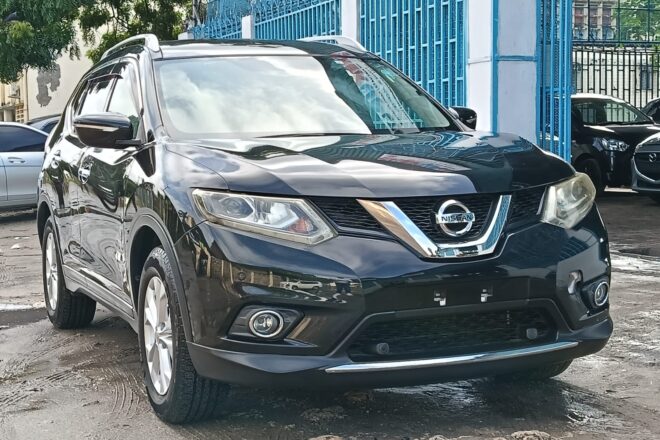
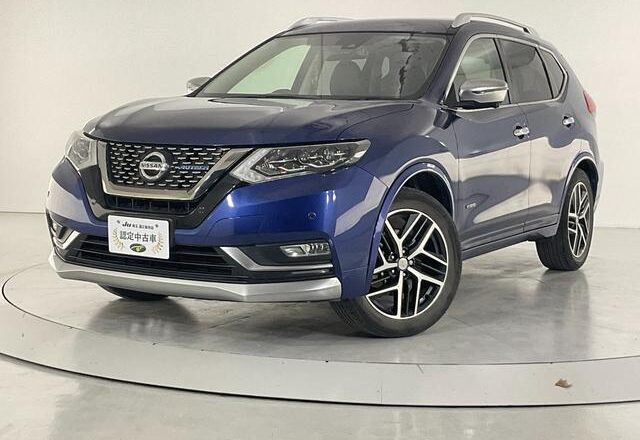
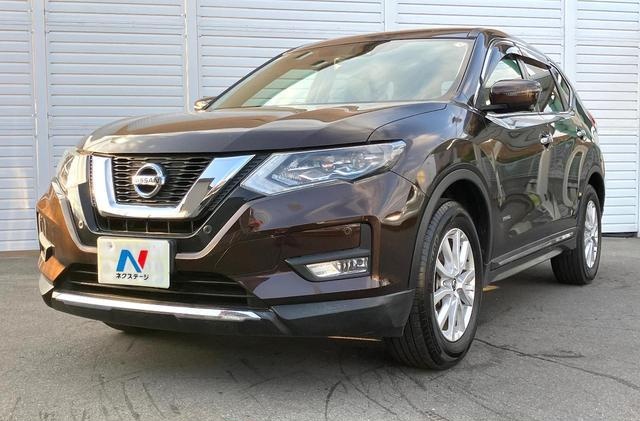
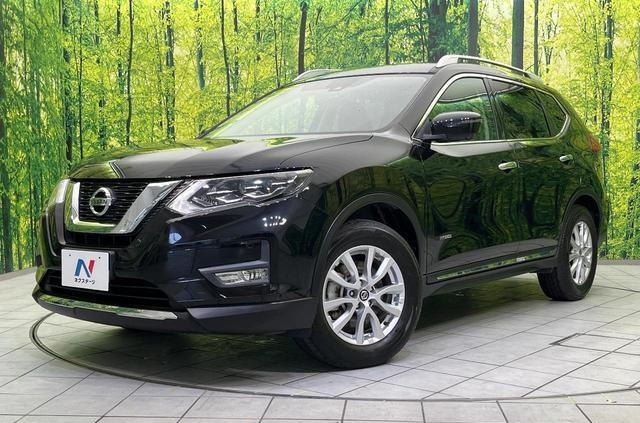
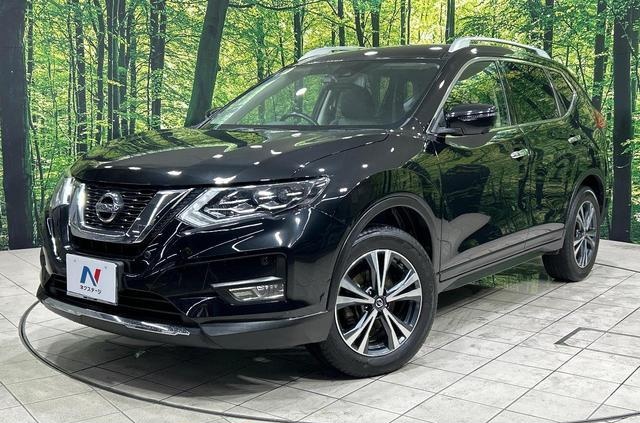
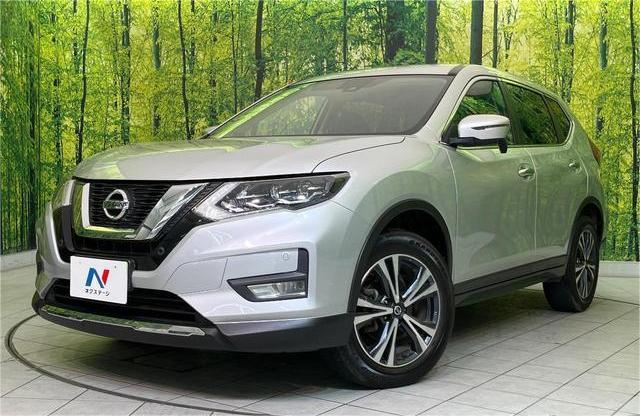
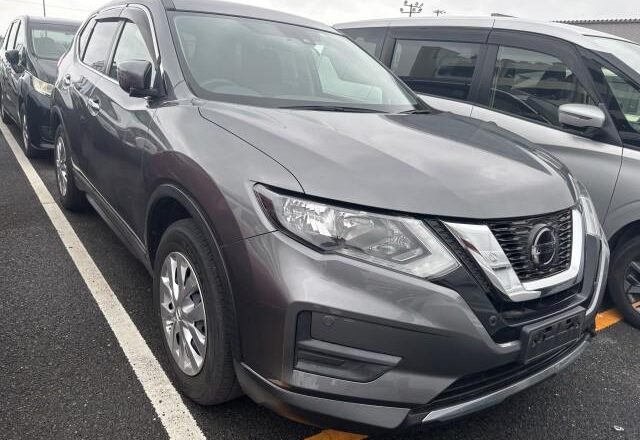
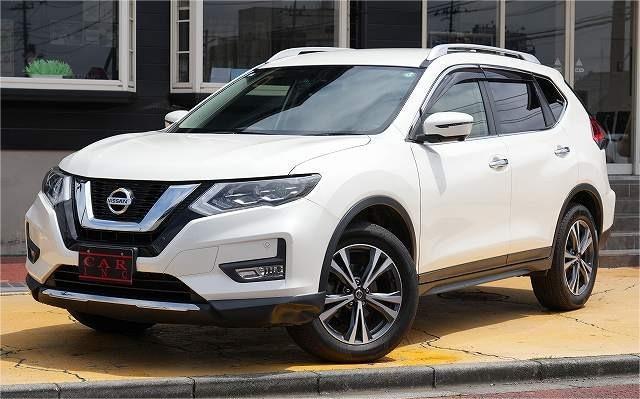
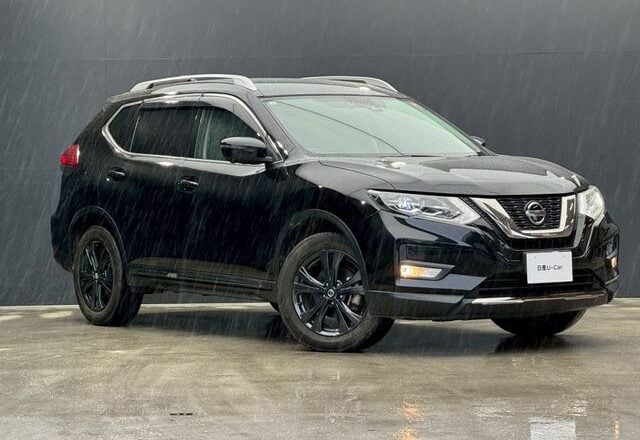
The Nissan X‑Trail is a compact SUV that’s easy to drive, practical, and well‑suited for Nairobi and East‑African conditions, blending good fuel economy, 7‑seat space, and light‑off‑road ability in a straightforward, family‑friendly package.

Size, layout and practicality

The X‑Trail is a five‑door, 5‑ or 7‑seat SUV built on a raised crossover platform, with around 4.6–4.7 metres of length and enough wheelbase to give generous rear legroom. The boot is about 170–200 litres behind the third row, expanding to over 1,000 litres when the rear seats are folded, making it strong for school runs, weekend trips, and small cargo work.

Higher ground clearance (around 200–210 mm) helps it cope with rough‑surface roads, speed bumps, and occasional loose‑surface detours without the need for heavy‑duty lift‑kit modification.

Engine options and running costs

Across global markets, the X‑Trail commonly uses 2.0‑ and 2.5‑litre naturally‑aspirated petrol and petrol‑plus‑hybrid (E‑Power) powertrains, paired with CVT automatics.

  • 2.5‑litre 4‑cylinder petrol engines usually deliver around 170–190 hp and 240–250 Nm torque, with official consumption figures of roughly 7.4– Fuel consumption for the X‑Trail from 7.4 L/100 km has been reported in some markets, which translates to about 12–14 km/l in real‑world mixed use depending on terrain and load.

  • Hybrid‑E‑Power variants are more efficient, with some global tests showing around 6.0–6.5 L/100 km (≈15–17 km/l) when driven sensibly.

Drivetrain options include FWD and AWD, with the latter giving better grip on wet tarmac, rough roads, and light off‑road sections.

Ride, handling and tech

The X‑Trail is tuned for comfort and ease of use rather than sporty cornering, so the ride is soft and absorbent, well‑matched to Nairobi traffic and mixed‑surface highways. The CVT‑automatic swap‑off‑road‑style suspension and simple electronic dampers help smooth out potholes and bumps while keeping the car stable at speed.

Inside, it focuses on family‑friendly usability:

  • Digital‑style instrument cluster plus a central touchscreen (NissanConnect system in newer models),

  • 7‑seat layout with adjustable middle and rear rows,

  • Air conditioning, alloy wheels, multiple airbags, ABS, ESC, hill‑descent control, hill‑assist, and 360‑camera systems on higher trims.

Safety and driver‑assist features are strong for the segment, with many variants offering intelligent emergency braking, lane‑keeping, rear‑cross‑traffic alert, blind‑spot monitoring, and adaptive cruise (especially on Platinum / Connect‑style packs).
Price and market fit in Kenya

Globally, a 2.5‑litre petrol X‑Trail typically starts in the mid‑$20,000s USD range, with hybrid and higher‑trim versions climbing into the $30,000–35,000 USD band. In Kenya‑market terms, new or late‑spec X‑Trails imported from Japan or Dubai usually land in the 3‑million to 5‑million‑plus KSh bracket, with hybrid‑spec units and top‑trim models often sitting closer to 5‑million‑plus KSh landed.

Used X‑Trails in the 2015–2020 bracket commonly trade from about 1‑million to 3‑million KSh, depending on mileage, service history, and import route.

Who the X‑Trail suits best

The X‑Trail is ideal for families, small‑business owners, and mid‑range buyers who want a practical 7‑seat SUV that can handle:

  • Nairobi traffic and daily commuting,

  • Long‑distance trips to Mombasa, Eldoret, or Kisumu,

  • Occasional rough‑surface or light off‑road use,

while staying relatively affordable to run compared with larger 3‑row SUVs and without the complexity of full‑M‑performance powertrains.

Compare Listings

Compare (0)