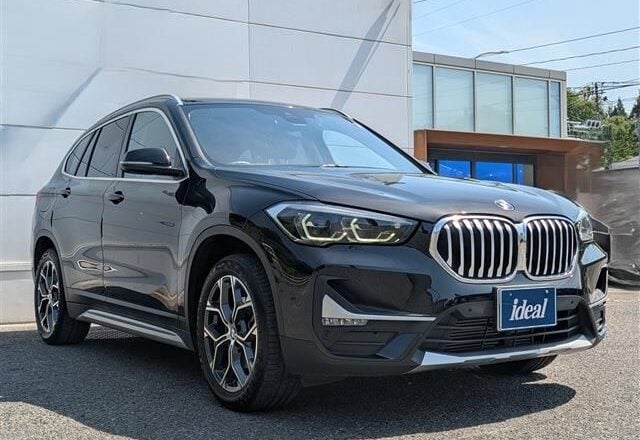
2018 BMW X1 xDrive18d
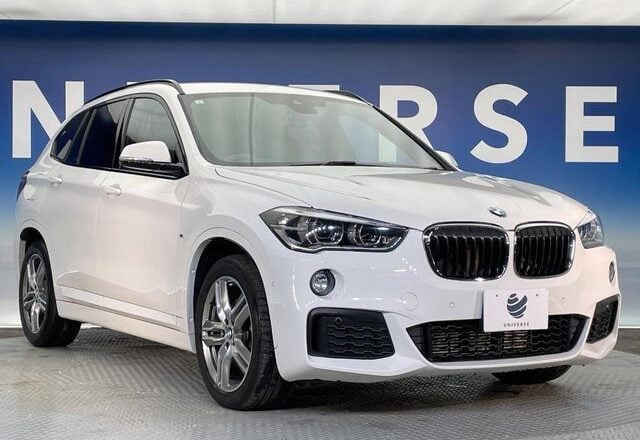
2016 BMW X1 sDrive18i M Sport
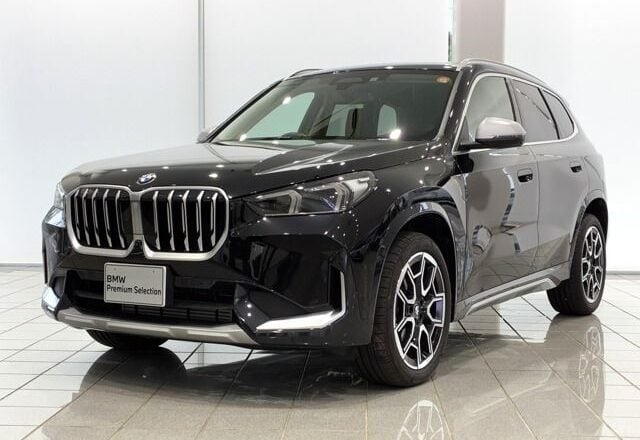
The BMW X1 is a compact luxury SUV that hits the sweet spot for buyers who want a premium German SUV that’s small enough for city traffic but still practical for daily use. It is ideal for Nairobi‑style streets, weekend trips, and even light off‑road use, offering badge‑premium appeal without the size or price of an X3 or X5.
Size, layout and practicality
The X1 is a five‑door, five‑seat SUV with a compact footprint (around 4.4–4.5 metres long) but a surprisingly roomy cabin. Rear legroom is good for a car of this size, and the boot is about 470–500 litres, expanding to over 1,500 litres with the rear seats folded, making it useful for school runs, weekend getaways, and small cargo tasks.
The raised ride height and SUV stance make it easy to live with on rough‑surface roads and at speed bumps, while the compact length keeps it relatively easy to park in tight city lots.
Engine and performance
The X1 line‑up typically includes 1.5‑ and 2.0‑litre turbo‑petrol engines, plus diesel and plug‑in‑hybrid variants in many markets:
-
sDrive18i / xDrive20i: 1.5‑ or 2.0‑litre turbo‑three or‑four producing around 150–190 hp and 220–300 Nm, with 0–100 km/h roughly 8–8.5 seconds.
-
xDrive28i / xDrive30i: 2.0‑litre turbo‑four giving roughly 245–286 hp and 350–400 Nm, with 0–100 km/h around 6.0–6.6 seconds.
-
X1 M35i: 2.0‑litre turbo‑four tuned to about 313 hp and 450 Nm, giving 0–100 km/h in about 5.2–5.4 seconds, for buyers who want a sporty compact SUV.
Fuel economy on many 2.0‑litre petrol and diesel X1s falls in the 12–14 km/l mixed‑use range, with plug‑in‑hybrid versions offering strong official figures if driven with regular charging. All‑wheel drive (xDrive) is standard on higher trims, improving grip on wet tarmac and loose‑surface roads.
Ride, handling and tech
The X1 is tuned to feel light and agile, with a firm but controlled ride that suits city driving while still coping well on highways. It is more SUV‑like than a hot hatch but more nimble than a larger X3 or X5.
Inside, it mirrors BMW’s modern‑compact SUV design:
-
Digital instrument cluster plus central iDrive screen,
-
Premium‑style upholstery, multi‑zone climate, sunroof, Apple CarPlay/Android Auto, and wireless charging on higher trims,
-
Driver‑assist tech including adaptive cruise, lane‑keeping, rear‑cross‑traffic alert, 360‑camera, and automatic emergency braking.
Safety and running costs
The X1 scores well in international safety tests, with strong crash‑test results and a full suite of airbags, stability systems, and active‑safety aids.
Maintenance and repair costs are higher than mainstream crossovers but reasonable for a compact premium SUV, provided servicing is kept regular and alignments/tyre‑wear is monitored on rough‑surface roads.
Price and market fit in Kenya
Globally, an X1 xDrive20i or xDrive28i starts around the mid‑$40,000s USD, with M35i and higher spec‑levels pushing into the $50,000–60,000 USD band before tax. In a Kenya‑market context, imported X1 units (from Japan, Dubai, or Europe) typically land in the 1.5‑million to 5‑million‑plus KSh range, depending on year, mileage, and spec. Fully loaded late‑model or M‑spec builds can reach high‑end compact‑SUV pricing when driven into Nairobi‑bound deals.
The X1 suits young professionals, small‑business owners, and first‑time BMW buyers who want a compact, stylish, German‑built SUV that handles Nairobi traffic, out‑of‑town routes, and rough‑surface roads, but at a lower acquisition and running‑cost point than an X3 or X5.