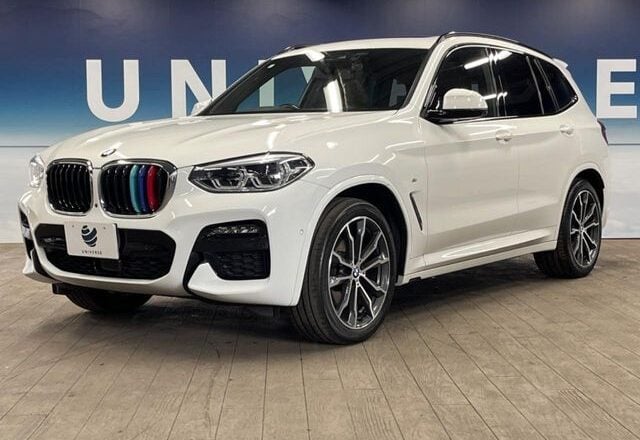
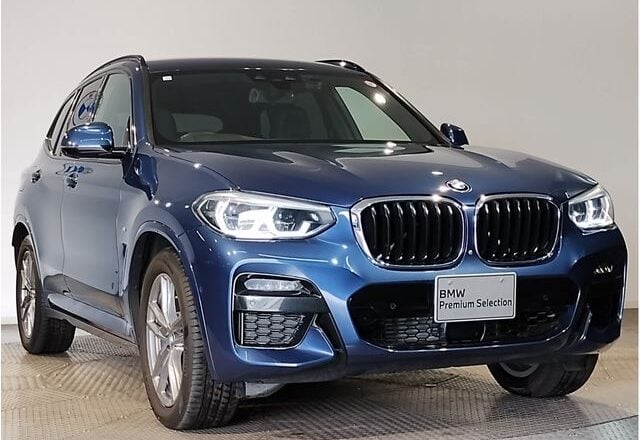
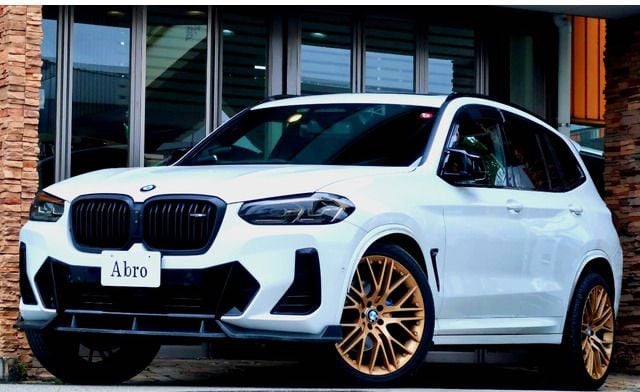
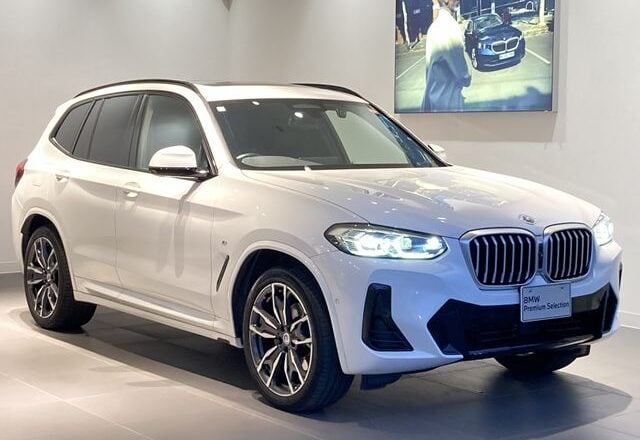
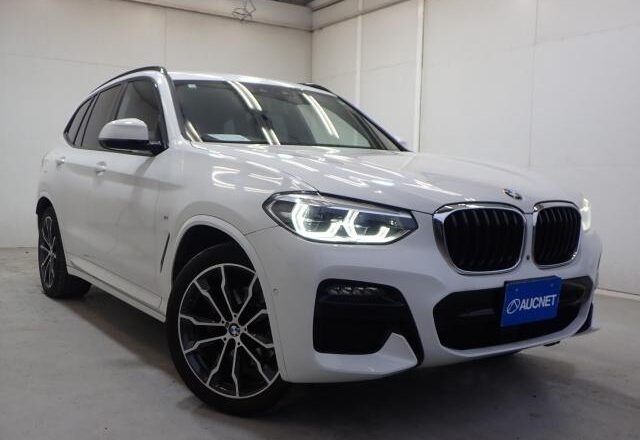
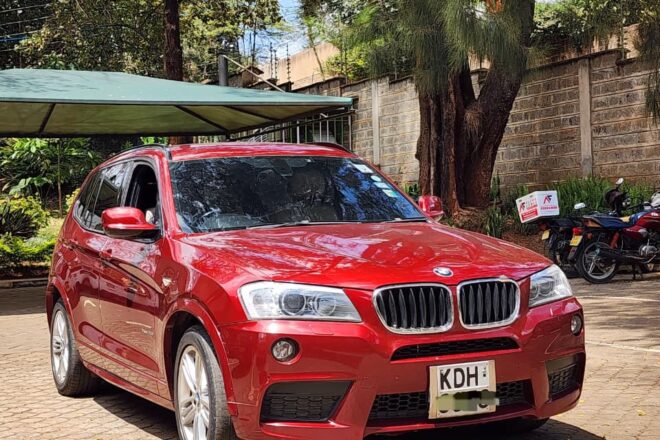
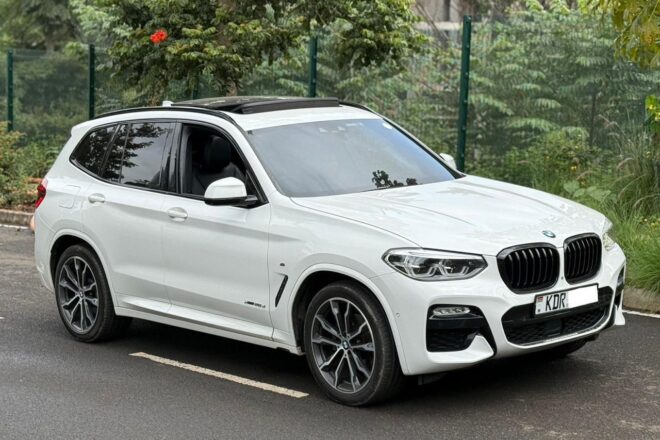
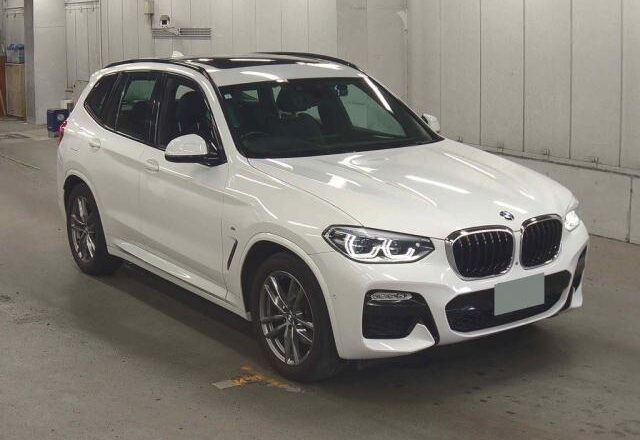
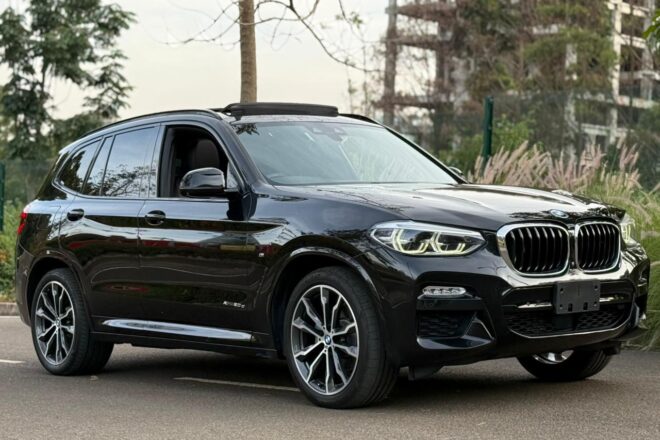
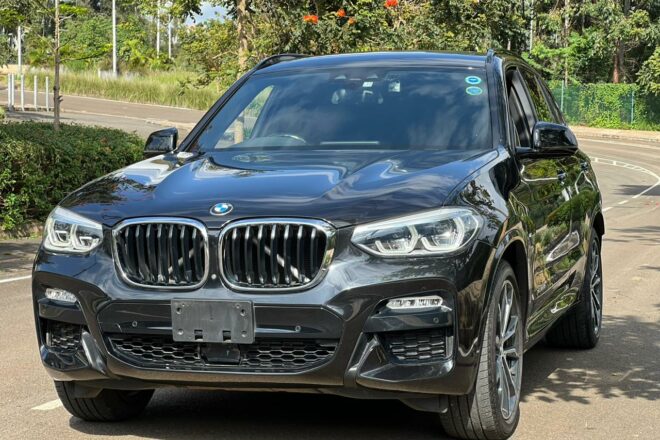
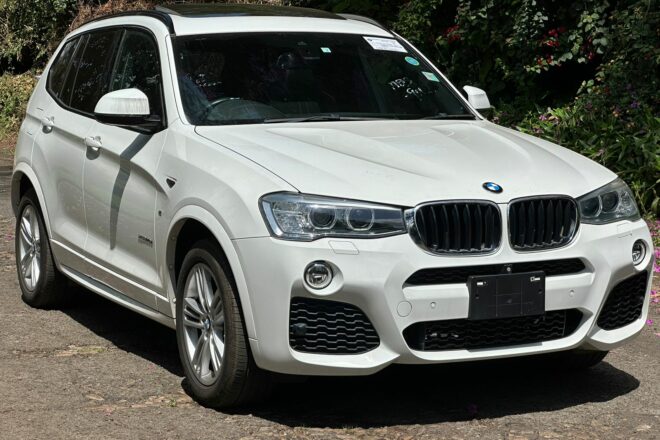
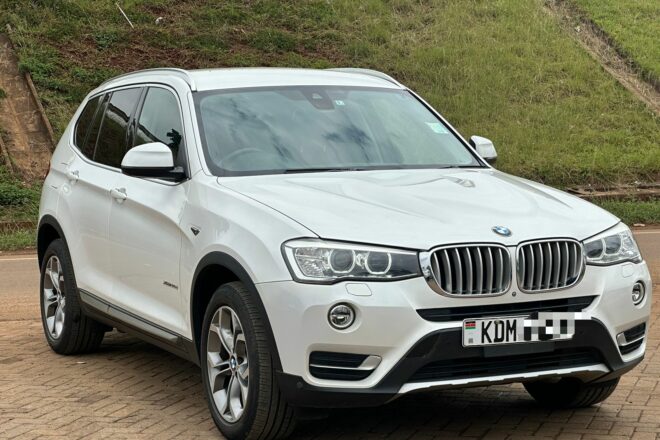
The BMW X3 is a compact luxury SUV that mixes German performance, sharp handling, and everyday practicality, making it a strong pick for Nairobi‑based professionals, young families, and business‑users who want a premium SUV without the bulk of an X5. It hits the sweet spot between the smaller X1 and larger X5, balancing price, comfort, and agility.
Engine and performance
The X3 line‑up typically offers 2.0‑litre turbo‑four petrol and diesel engines, plus a 3.0‑litre inline‑six in higher trims such as the X3 xDrive30i / xDrive30d and X3 M40i:
-
xDrive20i / xDrive28i petrol: Around 190–286 hp and 300–400 Nm, with 0–100 km/h roughly 7.5–6.0 seconds, depending on spec.
-
xDrive20d / xDrive30d diesel: About 190–286 hp and 400–500 Nm torque, tuned for relaxed overtaking and better fuel efficiency on mixed‑use.
-
X3 M40i: 3.0‑litre turbo‑six with roughly 382 hp and 500 Nm, giving 0–100 km/h in about 4.2–4.3 seconds, for buyers who want a near‑performance‑SUV experience.
Fuel economy is broadly in the 12–14 km/l mixed range for 2.0‑litre petrol and diesel units, with the 3.0‑litre variants drinking more when driven hard. The X3 runs on xDrive all‑wheel drive on most markets, giving strong grip on wet tarmac and rough‑surface roads.
Handling, ride and practicality
The X3 is tuned to feel sporty yet comfortable. It sits on a stiffened SUV platform with independent suspension and adaptive dampers on higher trims, giving it more body control than a normal crossover but still enough comfort for daily use in Nairobi traffic and on highways.
It is a five‑seat SUV with good rear legroom and headroom for adults, and a boot of about 500–550 litres, expanding to over 1,600 litres with the rear seats folded. This makes it useful for school runs, shopping trips, weekend excursions, and even light cargo work.
Interior, tech and safety
Inside, the X3 mirrors BMW’s premium SUV design:
-
Digital instrument cluster plus central iDrive screen,
-
Leather or premium upholstery, multi‑zone climate, electric sunroof, premium audio, and wireless/USB‑type‑C connectivity,
-
Heated front seats, rear‑seat air‑vents, and optional rear‑seat entertainment on spec‑heavy builds.
Safety features include multiple airbags, stability control, hill‑start assist, rear‑cross‑traffic alert, adaptive cruise, lane‑keeping, automatic emergency braking, and 360‑camera systems, giving high‑score crash‑test results and strong protection for city and highway use.
Price and market fit in Kenya
Globally, an X3 xDrive20i or xDrive28i starts around the mid‑$50,000s USD, with xDrive30d and M40i trims pushing into the $60,000–75,000 USD band before tax. In a Kenya‑market context, imported X3 units typically land in the 3‑million to 7‑million‑plus KSh range, depending on model year, mileage, and spec (Japan, Dubai, or European‑spec imports). Fully spec’d new or nearly‑new units can reach high‑end luxury‑SUV pricing when driven into Nairobi‑bound transactions.
The X3 is ideal for young professionals, business owners, and family‑focused buyers who want a compact, fast, German‑engineered SUV that can handle Nairobi traffic, airport runs, and long‑distance trips to Mombasa or Kisumu, while staying slightly smaller and easier to park than an X5. It is a strong alternative to the GLC and AWD Q5, especially if you value sharp handling and BMW driving dynamics.