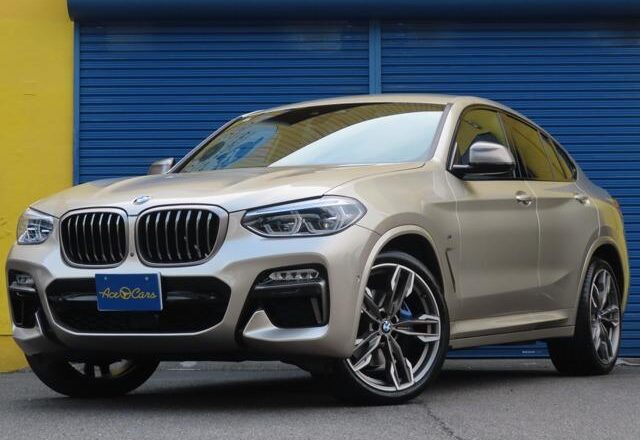
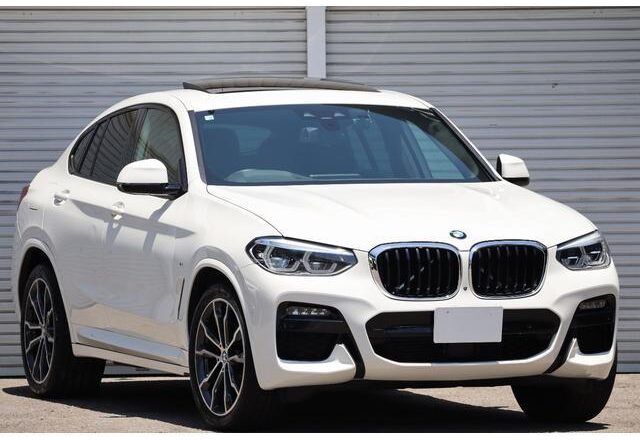
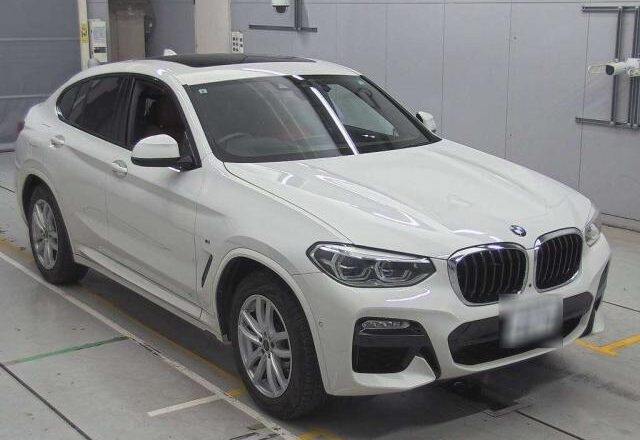
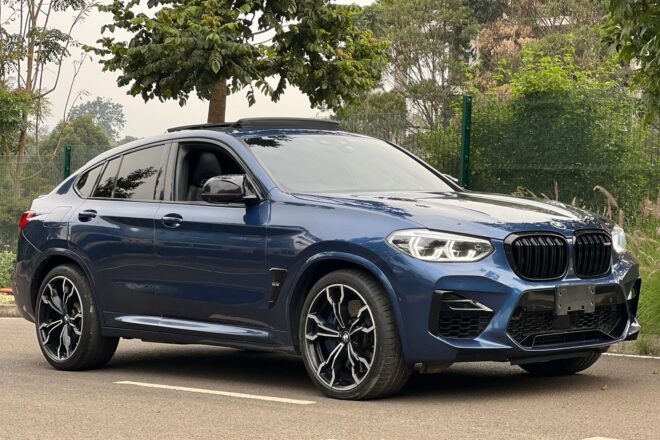
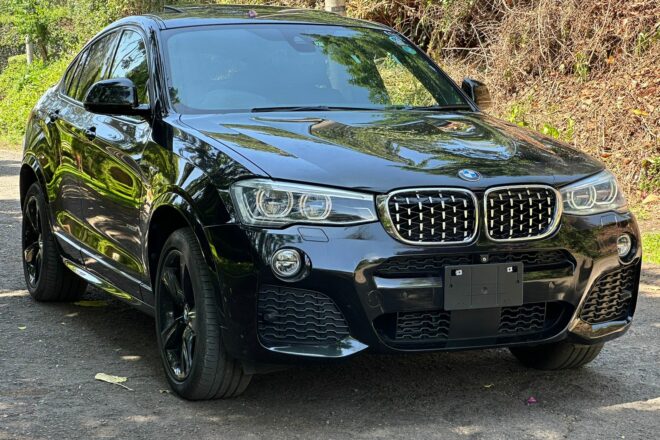
2020 BMW X4 xdrive20d M Sport
2019 BMW X4 xdrive30i M Sport
2021 BMW X4 M Competition F98
2017 BMW X4 Xdrive28i M Sport Blackout Edition
The BMW X4 is a sporty, coupe‑style compact SUV based on the X3 platform, designed for buyers who want a smaller, more agile BMW SUV with a sleek roofline and sharper looks than a box‑shape crossover. It is ideal for Nairobi‑style traffic, weekend‑getaway trips, and mixed‑road use where you want German handling without the bulk of an X5 or X7.
Size, layout and practicality
The X4 is a five‑door, five‑seat SUV with a sloping rear roof that gives it a coupe‑like silhouette but slightly less rear headroom and boot space versus the X3. It still offers usable rear legroom and a 500–525‑litre boot (expandable to around 1,400–1,500 litres), making it practical enough for family use, school runs, and medium‑length trips.
Body length is around 4.7 metres, with a wide track and low‑roof stance that help it feel planted in corners and confident at higher speeds on highways.
Engines and performance (global spec)
The X4 range typically includes 2.0‑litre turbo‑four petrol and diesel, plus a 3.0‑litre turbo‑six for higher trims such as the X4 M40i:
-
xDrive30i / xDrive28i: 2.0‑litre turbo‑four producing around 248–286 hp and 350–400 Nm, with 0–100 km/h roughly 5.8–6.3 seconds.
-
xDrive30d / xDrive25d: 2.0‑litre diesel with strong torque (often 190–286 hp and 400–450 Nm), tuned for relaxed cruising and better fuel economy.
-
X4 M40i: 3.0‑litre turbo‑six delivering about 382 hp and 500 Nm, with 0–100 km/h in around 4.2–4.3 seconds and a very sporty feel.
Fuel consumption is broadly in the 12–14 km/l mixed‑use band for the 2.0‑litre petrol and diesel models, with the 3.0‑litre variants drinking more when driven hard. All‑wheel drive (xDrive) is standard on most markets, improving grip on wet tarmac and rough‑surface roads.
Ride, handling and tech
Compared to the X3, the X4 is tuned slightly more toward sporty dynamics, with a firmer suspension setup and more aggressive steering calibration. This gives it sharper turn‑in and stronger body control, though the ride is still comfortable enough for daily use if you avoid the most aggressive M‑spec setups.
Inside, it shares the X3’s iDrive‑style architecture:
-
Digital instrument cluster plus central screen,
-
Leather or premium upholstery, multi‑zone climate, panoramic sunroof, and premium audio,
-
Heated front seats, rear‑seat air‑vents on higher trims, and driver‑assist tech including adaptive cruise, lane‑keeping, 360‑camera, rear cross‑traffic alert, and automatic emergency braking.
Safety and ownership costs
Safety ratings for the X4 put it in the upper‑range of compact SUVs, with high‑score crash‑test reports and a full suite of airbags, stability systems, and active‑safety aids.
Running‑cost surveys from international markets show that the X4 is more expensive to service and maintain than mainstream SUVs, with higher‑than‑average repairs and a noticeable chance of major‑work events over 10 years of ownership, especially if high‑mileage or aggressive driving is involved.
Price and market fit (Kenya‑style relativity)
Globally, an X4 xDrive30i or xDrive30d starts around the mid‑$50,000s USD, with M40i and higher spec‑levels pushing into the $65,000–75,000 USD band before import duties and taxes. In a Kenya‑market context, imported X4 units typically land in the mid‑ to high‑multi‑million‑KSh range, depending on spec, year, and sourcing route (Japan, Dubai, Europe).
The X4 suits younger professionals, business‑users, and style‑conscious buyers who want a compact, fast, and good‑looking German SUV that can handle Nairobi traffic, out‑of‑town trips, and occasional rough‑surface driving, but are ready for higher running costs and a thirstier engine than a basic commuter SUV.