carsrequest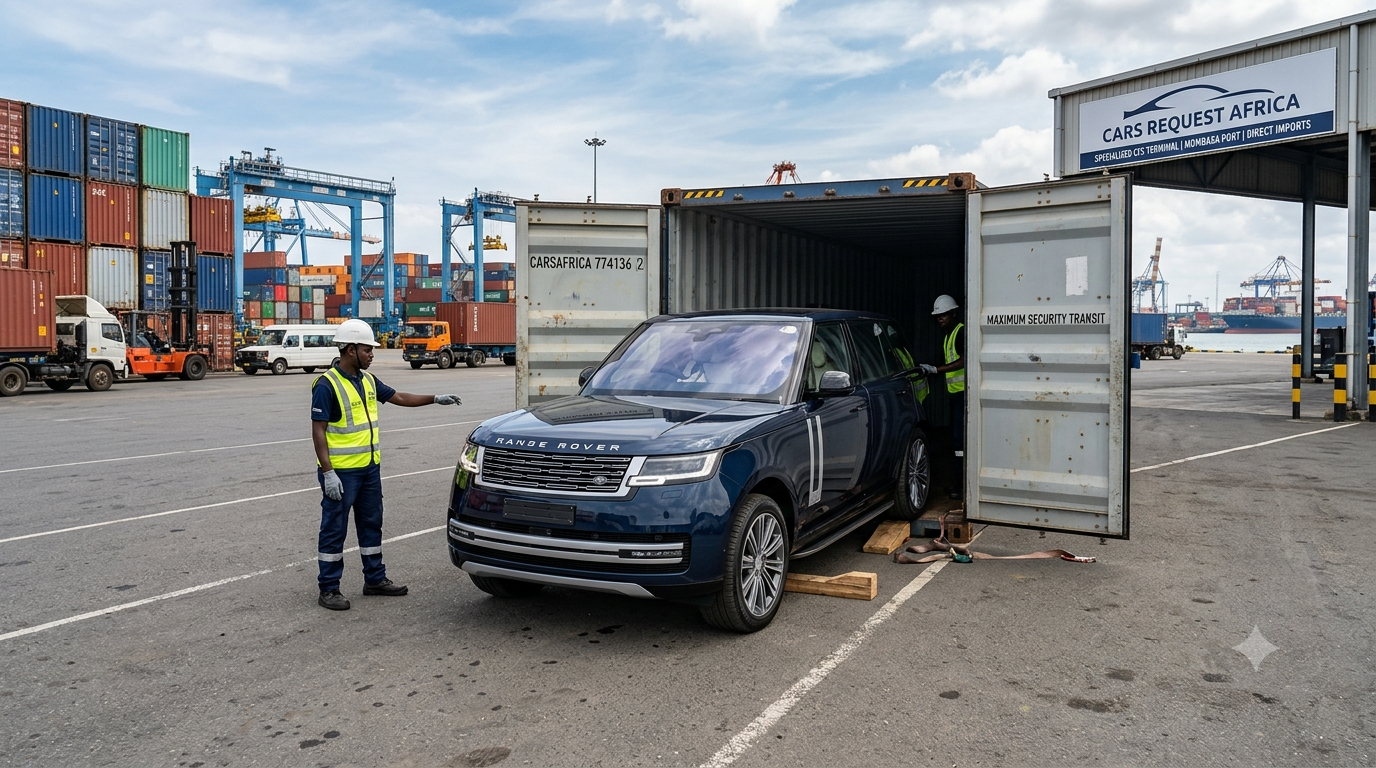
Container vs. RORO Shipping: Which is Safest for Premium SUV Imports to Nairobi?
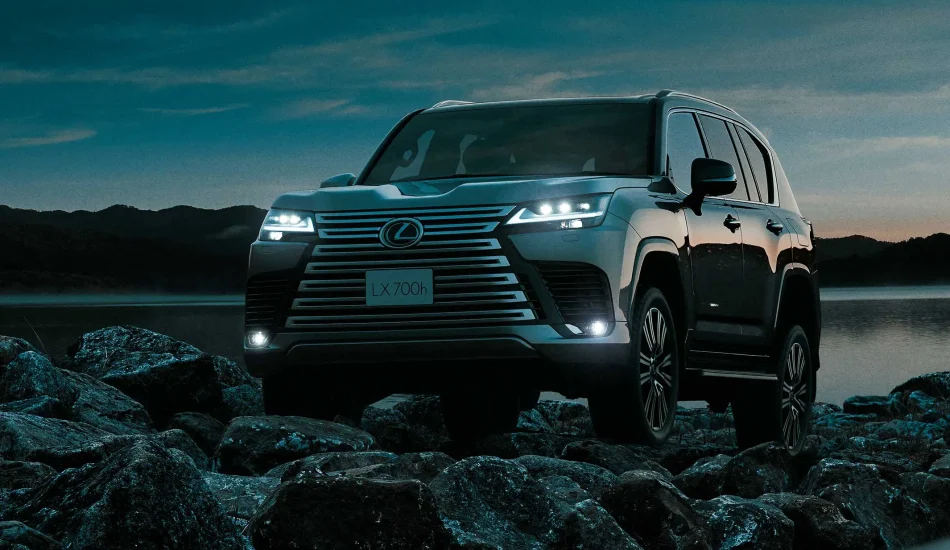
Investing in a premium SUV—whether it is a luxury Toyota Land Cruiser LC300, a refined Lexus LX600, or a high-performance Mercedes-Benz GLE—is a significant financial milestone. When sourcing these high-value machines directly from global auctions like those in Japan, the excitement of the purchase is quickly met by a critical logistical decision: How should your vehicle travel across the ocean?
The two primary methods dominant in maritime transport are Roll-on/Roll-off (RORO) and Dedicated Container Shipping.
While RORO is frequently celebrated for its cost-effectiveness, premium vehicles require a deeper assessment of safety margins, risk mitigation, and port handling vulnerabilities. Based on years of hands-on experience navigating the Mombasa port car clearing process, we break down the technical differences to help you make an informed decision for your asset.
1. The Technical Mechanics: How They Work
Roll-on/Roll-off (RORO)
RORO vessels are essentially massive, floating multi-story parking garages.
-
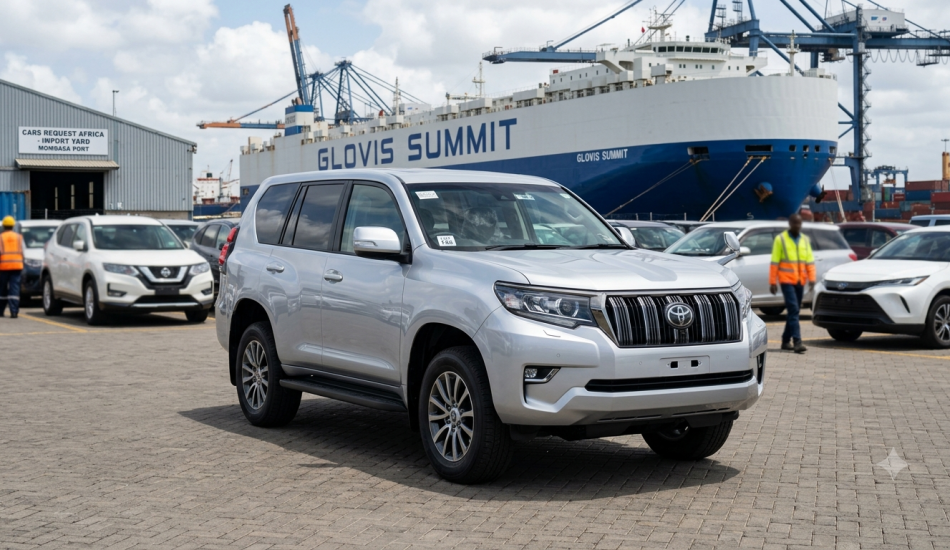
The Process: Vehicles are physically driven up a ramp onto the ship at the port of origin (e.g., Yokohama or Nagoya), parked closely alongside thousands of other cars, and secured to the deck using heavy-duty lashing straps.
-
The Reality: Upon arrival at the Port of Mombasa, port drivers drive the vehicle off the ramp and into an open holding yard.
Dedicated Container Shipping
Container shipping treats your vehicle as high-value cargo sealed within an isolated environment.
-
The Process: Your SUV is driven into a standard 20-foot or 40-foot steel container at the origin yard. The wheels are locked into wooden or mechanical chocks, and the chassis is anchored to the container’s internal structural D-rings using industrial-grade nylon straps.
-
The Reality: The container is locked, sealed with a unique tamper-evident bolt seal, and hoisted onto a container ship via automated cranes. It remains unopened until it reaches its clearing destination.
2. Comparing Safety Margins and Port Handling Risks
When analyzing RORO vs container shipping car import Kenya guidelines, safety is rarely about the ocean voyage itself—it is about human interaction and environmental exposure at the ports.
| Risk Category | Roll-on/Roll-off (RORO) | Dedicated Container Shipping |
| Physical Scratches & Dings | Moderate to High. Vehicles are parked inches apart. Port handlers drive them in tight spaces, increasing the risk of minor bumper scrapes or door dings. | Extremely Low. Once ratcheted inside the steel container, nothing touches the bodywork until de-vanning. |
| Theft & Pilferage | Vulnerable. Because ignition keys must remain inside or with the car for operation, factory accessories, spare keys, memory cards, or SD navigation cards can occasionally disappear during transit or yard transfers. | Highly Secure. The container is locked with a high-security seal recorded on the Bill of Lading. Access to the interior is impossible without breaking the recorded steel seal. |
| Environmental Exposure | High. Vehicles face salty marine air, high humidity, dust, and coastal debris during loading, staging, and port storage phases. | Absolute Protection. Sealing your vehicle inside a weatherproof steel box keeps it entirely isolated from maritime elements and corrosive salt spray. |
3. Cost-Efficiency vs. Asset Protection
There is no denying the economics: RORO is substantially cheaper than container shipping. Because RORO carriers exploit massive economies of scale, the freight cost per unit is minimized. For a standard sedan or a budget hatchback, RORO is almost always the logical choice.
However, for premium, low-ground-clearance, or high-end luxury SUVs, the math changes. Consider these factors:
-
Component Replacement Costs: Replacing a single stolen premium radar sensor, a cracked side mirror, or a compromised infotainment module on a luxury model can easily eclipse the cost difference of a container slot.
-
Ground Clearance and Spoilers: Factory body kits on premium sports SUVs risk scraping against steep RORO ship ramps when handled by rushed port drivers.
Logistics Rule of Thumb: If the market value of your vehicle exceeds KES 7,000,000, the incremental cost of containerized shipping functions as an affordable insurance policy to guarantee the car arrives in showroom condition.
4. Impact on the Mombasa Port Car Clearing Process
The choice of shipping also dictates your customs clearance workflow at Mombasa:
-
RORO Clearance: Once discharged from the vessel, RORO vehicles are driven directly to conventional car yards. They are highly visible and accessible, which can sometimes speed up physical verification by customs officers but keeps them exposed to yard elements longer if documentation is delayed.
-
Container Clearance: Containers are transferred to specialized Container Freight Stations (CFSs). The container is unsealed under the strict supervision of your clearing agent and KRA customs officers during a scheduled “de-vanning” process. While this requires coordinated scheduling, it ensures that your vehicle is monitored closely from the moment the seal is snipped to the moment it is cleared for overland transport.
The Verdict: Which Framework Wins?
For value-conscious imports of standard utility vehicles, RORO shipping remains a viable, highly optimized pathway—provided you work with a trusted marketplace that tracks the car at every checkpoint.
However, for high-end luxury, performance, or custom-configured SUVs, Dedicated Container Shipping offers the ultimate safety margins. It mitigates handling hazards, eliminates pilferage risks, and protects your investment from the elements.
About the Author
Robert Omwodo is an automotive logistics strategist and international trade executive based in East Africa. He serves as the CEO and Director of Imports at Cars Request Africa, where he leads cross-border vehicle sourcing and supply chain management for the region.
Core Expertise & Leadership
-
Cross-Border Logistics: Specializes in end-to-end maritime and overland vehicle supply chains, managing direct vehicle imports into the East and Central African markets from major global hubs including Japan, Australia, and South Africa.
-
Compliance & Customs Navigation: Possesses deep expertise in navigating regional customs frameworks, including Kenya Revenue Authority (KRA) duty structures, Current Retail Selling Price (CRSP) tax calculations, and Kenya Bureau of Standards (KEBS) roadworthiness mandates (such as QISJ and EAA pre-export inspections).
-
Market Transparency Advocate: Focuses on modernizing the vehicle procurement industry by replacing legacy, opaque marketplace broker systems with data-driven verification protocols, ensuring verified vehicle histories and genuine mileage for consumers.